

AAP Palient Page
หน้าแรก » Uncategorized » AAP Palient Page
 |
||||||||||||||||||||||||||
 |
||||||||||||||||||||||||||
 |
||||||||||||||||||||||||||
|
||||||||||||||||||||||||||
|
||||||||||||||||||||||||||
|
||||||||||||||||||||||||||
| If you needed another reason to brush and floss, maybe this will help. Researchers at New York University have found that gum disease may increase the risk of cognitive dysfunction associated with Alzheimer’s disease. This NYU study provides fresh evidence that gum inflammation is associated with inflammation in the brain. The research team, led by Dr. Angela Kamer, assistant professor of periodontology and implant dentistry, studied 20 years of data from Denmark that support the hypothesis of a link between periodontal disease and Alzheimer’s. Morehttp://www.perio.org |
||||||||||||||||||||||||||
|
||||||||||||||||||||||||||
|
||||||||||||||||||||||||||
| Periodontitis and risk for atherosclerosis: an update on intervention trials Maurizio S. Tonetti 1 1 European Research Group on Periodontology (ERGOPERIO), Berne, Switzerland Correspondence to Address : Maurizio S. Tonetti European Research Group on Periodontology (ERGOPERIO) Berne Switzerland E-mail: maurizio.tonetti@ergoperio.eu
Conflict of interest and source of funding statement Copyright © 2009 John Wiley & Sons A/S KEYWORDS Tonetti MS. Periodontitis and risk for atherosclerosis: an update on intervention trials. J Clin Periodontol 2009; 36 (Suppl. 10): 15–19. doi: 10.1111/j.1600-051X.2009.01417.x. |
||||||||||||||||||||||||||
|
||||||||||||||||||||||||||
|
||||||||||||||||||||||||||
| Aims: Periodontitis has been associated with an increased risk of cardiovascular events. The nature of the association is unclear because both periodontitis and cardiovascular disease (CVD) share a host of risk factors. Intervention trials are critical to explore the relationship. If the association were causal, successful periodontal therapy will lead to an attenuation of the effect – CVD.Material and Methods: The paper reviewed the design and the results of intervention trials aimed at improving systemic inflammation, endothelial dysfunction, carotid atherosclerosis and cardiovascular events.
Results: Early systematic reviews and a definitive controlled clinical trial indicate that intensive periodontal therapy results in a decrease in systemic inflammation and an improvement of endothelial dysfunction in systemically healthy subjects. A pilot trial has indicated the feasibility to assess the impact of periodontal therapy on carotid atherosclerosis in a primary cardiac prevention design. Conclusions: Efforts to test causality in the relationship between periodontitis and CVD are ongoing. |
||||||||||||||||||||||||||
| Accepted for publication 4 April 2009 | ||||||||||||||||||||||||||
|
||||||||||||||||||||||||||
|
||||||||||||||||||||||||||
| Platelet Rich Plasma to Facilitate Wound Healing Following Tooh Extraction | ||||||||||||||||||||||||||
| Following tooth removal bone formation normally takes 16 weeks and may result in less than adequate volume for the necessary reconstruction. Platelet rich plasma (PRP) has been promoted as an effective method for improving bone formation. Its use is often expensive, time consuming, or not clinically convenient for the patient and/or clinician. This study examines a simple method for obtaining a ‘‘Buffy Coat’’-PRP (BC-PRP) and its effect on bone healing following the removal of bilateral mandibular 3rd molars. Subtraction digital radiography and CT scan analysis were used to track changes in radiographic density at PRP treated sites in comparison to ipsilateral non-PRP treated sites. PRP treated sites demonstrated early and significant increased radiographic density over baseline measurements following tooth removal. The greatest benefit of PRP is during the initial 2-week postoperative healing time period (P , .001). During weeks 3 though 12, BC-PRP treatment resulted in significant (P , .0001) increases in bone density compared to control,but there was no significant interaction between time and treatment (P . .05). For the entire time period (0–25 weeks) PRP treatment was significant (P , .0001) and time was significant (P , .0001) but there was no significant interaction (P . .05) between the effect of PRP treatment and time. It required 6 weeks for control extraction sites to reach comparable bone density that PRP treated sites achieved at week 1. Postoperative pain, bleeding, and numbness were not significantly affected by BC-PRP application. Results suggest that this simple technique may be of value to clinicians performing oral surgery by facilitating bone regeneration following tooth extraction. |
||||||||||||||||||||||||||
|
||||||||||||||||||||||||||
|
||||||||||||||||||||||||||
|
||||||||||||||||||||||||||
| An Analysis of a Rapid, Simple, and Inexpensive Technique Used to ObTain Platelet-Rich Plasma For Use in Clinical Practice |
||||||||||||||||||||||||||
| The use of Platelet-rich plasma(PRP) has become more generally accepted,and implant dentists are using Prp more frequently to promote the healing of oral surgical and/or periodontal wounds. Critical elements of PRP are thought to be growth factors contained within the concentrated platelets. These growth factors are known to promote soft-tissue healing, angiogenesis and osteogenesis. We present a rapid,simple, and inexpensive methodology for preparing PRP usind the Cliniseal centrifuge method. This study demonstrates that platelets are concentrated approximately6-fold without altering platelet morphology. Further we demonstrate that key growth factor,platelet-derived growth factor BB(PDGFBB), transforming growth factor B (TGF-B1), vasculature endothelial growth factor (VEGF), and epidermal growth factor(EGF) are present in comparable or hihher concentrations than those reported with the use of other techniques. Prolonged bench set time(>3 hours) after centrifugation resulted in decreased concentration of TGF-B1 but not decreased concentration of PDGF-BB, VEGF, or EGF. This study confirms the molecular aspects of PRP obtained using thia inexpensive and efficient methodology. |
||||||||||||||||||||||||||
|
||||||||||||||||||||||||||


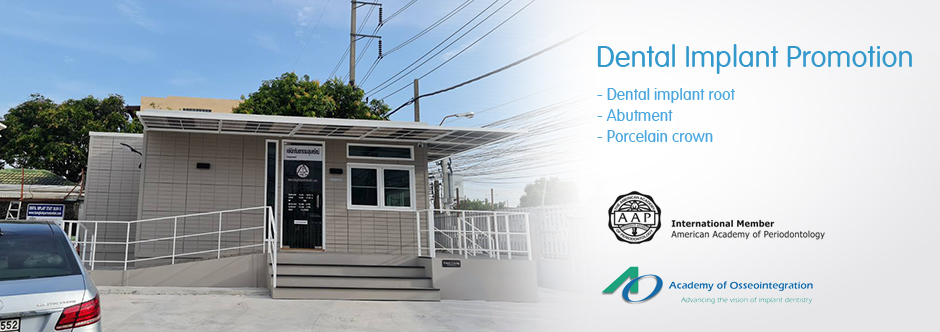
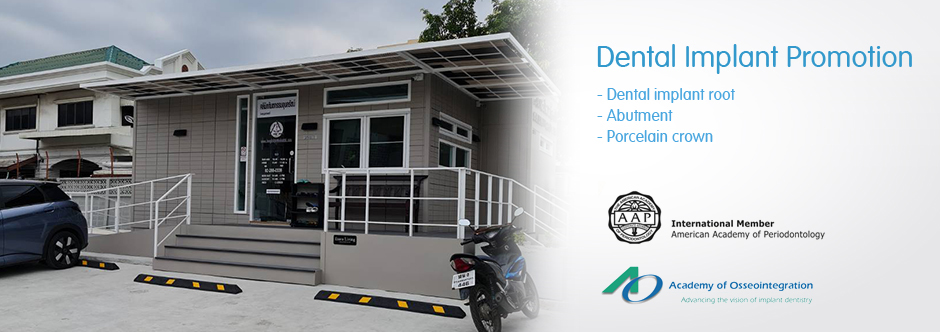
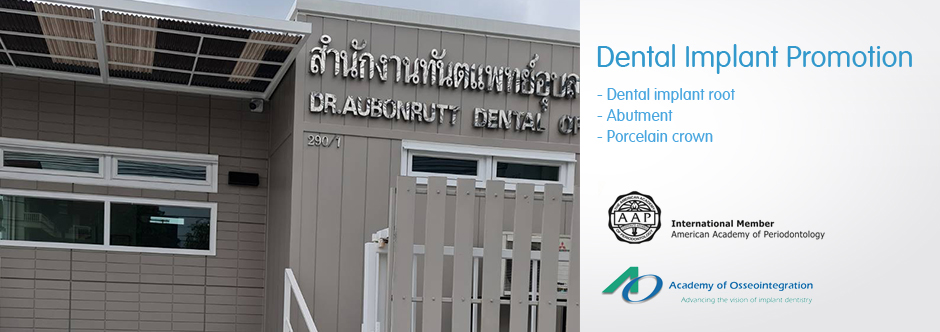
สำนักงานทันตแพทย์ อุบลรัตน์
290/1 ถ.เฉลิมพระเกียรติ ร.9
(ใกล้สน.ตำรวจประเวศ) แขวงประเวศ เขตประเวศ
กทม 10250
ADDRESS : 290/1 Chalermprakiat Rama 9 Rd.
(near Prawet Police Station)
Prawet District, Bangkok 10250 Thailand
Internation call +6681-306-3061
Office Hours:-
MONDAY 9AM - 4 PM
TUESDAY 9 AM - 4 PM
FRIDAY 9 AM - 4 PM
SATURDAY 9 AM - 4 PM
SUNDAY CLOSED
WEDNESDAY CLOSED
APPOINTMENT REQUIRED
Please check an updated schedule or holidays on
https://maps.app.goo.gl/
UER5n6mCF8MbGUKA9
For Local Dial :
022880339